The plight of unaccompanied migrant children in the U.S. has reached a breaking point, as many find themselves trapped in shelters for extended periods, leading to severe emotional and psychological distress. With shifting immigration policies and increased restrictions, these vulnerable children face uncertainty about their futures, forcing some to reconsider returning to their home countries.
According to reports from the federal Office of Refugee Resettlement (ORR), which is tasked with the care of these children, the situation has worsened significantly. Children who arrive alone in search of safety and a better life are now being held in shelters longer than ever before, causing a surge in feelings of hopelessness and abandonment.
Emotional Toll of Long Stays
Experts warn that prolonged stays in confinement can lead to severe mental health issues including anxiety, depression, and post-traumatic stress disorder (PTSD). Dr. Maria Gonzalez, a child psychologist who specializes in trauma, emphasizes that these children are already fleeing dire circumstances, and the added stress of uncertainty can be detrimental. “The longer these children remain in shelters, the more they lose touch with their aspirations for a better life,” she notes.
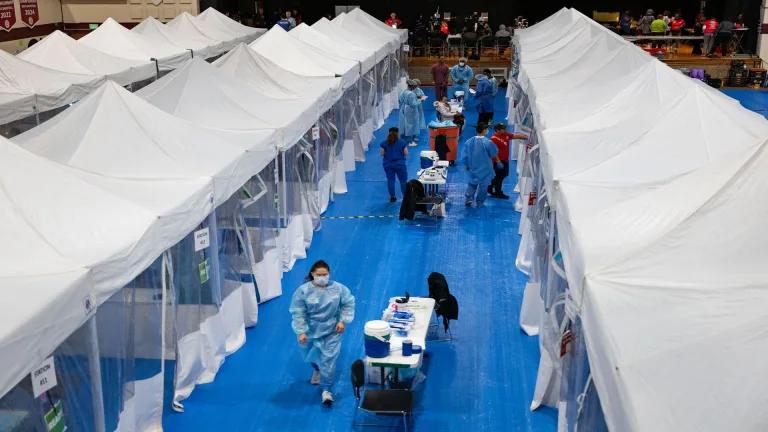
In many cases, children are placed in shelters for months, waiting for sponsors, often family members, to navigate the complex legal and bureaucratic processes required for their release. The delays can be attributed to a range of factors, including heightened immigration enforcement and a backlog in processing cases.
Desperate Decisions and the Return Home
As the wait stretches on, some children have made the heart-wrenching decision to return to the countries they fled. The fear of violence, poverty, and instability in their home countries is overshadowed by the despair of being stuck in limbo. For many, the choice to return is not made lightly; it comes after months of feeling invisible and abandoned.
Organizations working with migrant populations report a marked increase in cases where children express a desire to go back home rather than endure the uncertainty of staying in U.S. shelters. This trend underscores the urgent need for systemic changes in how unaccompanied minors are treated upon their arrival in the U.S.
As the nation grapples with ongoing debates about immigration reform, the voices of these children must not be overlooked. Their well-being and mental health should be prioritized to ensure they have a chance at a brighter future, whether in the U.S. or elsewhere.