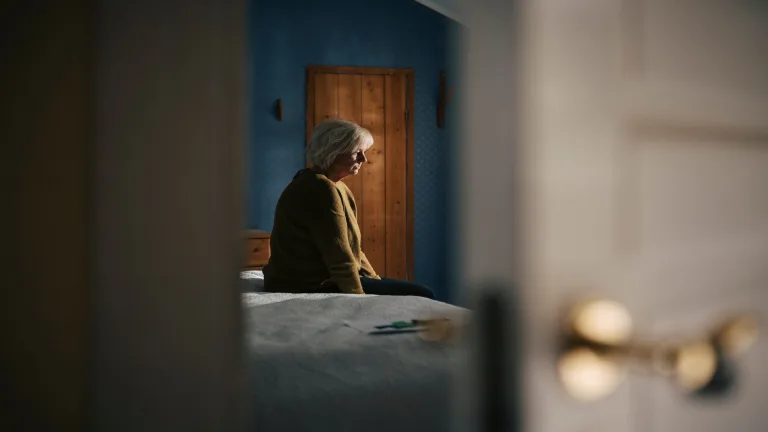
As the population ages, the intersection of firearm ownership and cognitive decline becomes increasingly concerning. Recent studies reveal that older adults exhibiting early signs of dementia pose unique challenges regarding gun safety. Public health experts are actively exploring strategies to mitigate these risks and promote responsible firearm practices among elderly gun owners.
The reality is stark: cognitive decline can impair judgment, memory, and decision-making abilities, making it difficult for individuals to safely manage firearms. This situation raises critical questions about how families and communities can address gun storage and access for those experiencing such changes. Many experts suggest that open, compassionate conversations about cognitive health and firearm safety are essential.
Creating Safe Environments
Encouraging safe practices starts with understanding the symptoms of dementia and their implications for gun ownership. Family members and caregivers are often in the best position to notice early warning signs, such as forgetfulness or confusion about gun handling. Public health initiatives now focus on empowering these individuals to intervene appropriately, possibly leading to safer environments.
One suggested approach is to promote voluntary gun surrender programs for older adults who may be at risk. These initiatives can provide a supportive framework where elderly individuals can turn in their firearms without fear of stigma or judgment. Additionally, community education around firearm safety and cognitive health is crucial in fostering a culture of responsibility.
Policy and Community Engagement
On a broader scale, mental health policies must adapt to address the complexities surrounding gun ownership and cognitive decline. Policymakers are urged to consider regulations that protect vulnerable populations while respecting individual rights. This includes discussing age-specific guidelines that encourage safe storage and access for older adults.
Organizations advocating for mental wellness are also stepping up, offering resources and support for families navigating these challenges. Awareness campaigns can play a pivotal role in educating the public about the risks associated with firearm ownership in the context of dementia.
By fostering a culture of safety and understanding, communities can help ensure that older adults who own guns are supported in making informed decisions about their health and well-being. Addressing this issue collaboratively will ultimately contribute to safer homes and neighborhoods.