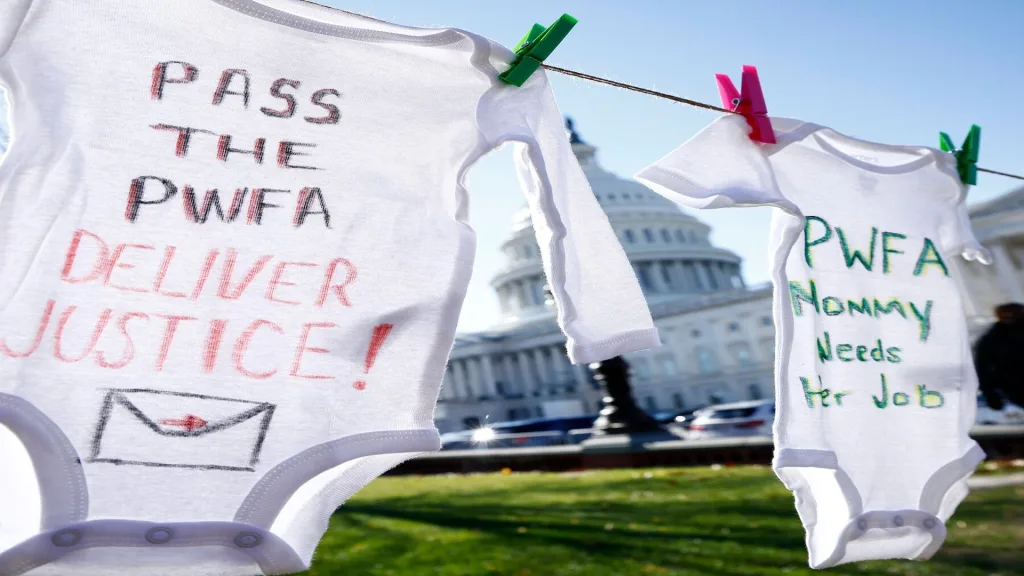
In a significant policy shift, the Trump administration is reportedly preparing to roll back essential job protections for pregnant workers. This move raises concerns among advocates for women’s rights, especially as it comes on the heels of reforms established during the Biden era aimed at supporting women in the workforce.
The Biden administration introduced regulations designed to help women maintain their careers while managing pregnancy-related health issues, including provisions for abortion and fertility treatments. However, some conservative voices argue that these measures extended too far, asserting that they place undue burdens on employers and disrupt traditional workplace norms.
Impact on Working Women
The proposed rollback could have profound implications for millions of women across the country. Pregnant workers often face unique challenges, and the existing protections are crucial for ensuring they can continue working without jeopardizing their health or financial stability. The elimination of these safeguards may lead to increased job insecurity for pregnant employees, further exacerbating workplace inequalities.
Advocates for women’s rights are expressing alarm over the potential impact of this policy change. They argue that removing these protections not only undermines the progress made in recent years but also sends a troubling message about the value placed on women’s health and employment rights. Many fear that the rollback could discourage women from pursuing careers or lead to increased discrimination against pregnant employees.
Legal and Social Repercussions
The legal ramifications of this decision could also be significant. If the Trump administration moves forward with these changes, it may ignite a wave of litigation from advocacy groups seeking to protect the rights of pregnant workers. The debate over these policies highlights a broader societal issue regarding women’s health rights and workplace equality.
As this situation unfolds, it remains essential for individuals and organizations to stay informed about their rights and the evolving landscape of workplace protections. Advocates and lawmakers are urged to engage in discussions about the importance of maintaining these protections, as they are vital for fostering an inclusive and equitable workforce.