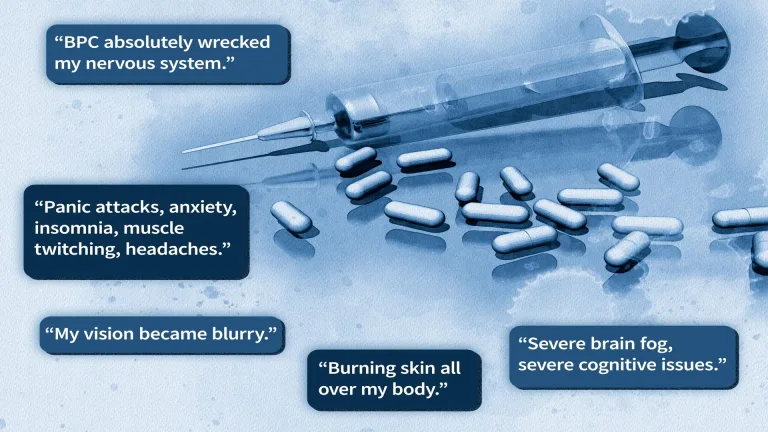
Amid the rising popularity of experimental peptides like BPC-157, a growing chorus of patients is raising alarm about potential side effects. Individuals who have tried these unproven treatments report experiencing severe migraines, debilitating eye pain, and chronic fatigue. These troubling testimonies come at a time when the push for broader accessibility to such peptides is gaining momentum, particularly under the advocacy of figures like Robert F. Kennedy Jr.
As these concerns mount, the debate surrounding the safety and efficacy of these substances has intensified. Supporters argue that medical freedom should allow patients to explore all available treatment options, while critics warn that the lack of rigorous clinical testing can lead to serious health risks. This divide raises important questions about the balance between patient autonomy and the need for regulatory oversight.
Patient Experiences and Concerns
Many patients who have turned to peptides for potential healing are now left grappling with adverse effects. The case of BPC-157, often touted for its purported healing properties, illustrates this dilemma. Users report feelings of fatigue and eye discomfort that they attribute to the peptide, suggesting that not all benefits are guaranteed and that serious side effects can emerge.
In a recent discussion, one patient shared how their enthusiasm for peptide therapy quickly turned to despair after experiencing persistent migraines. “I was looking for a solution to my chronic pain, but what I got was a new set of problems,” they noted. Such firsthand accounts are critical as they highlight the need for more comprehensive research into the safety of these treatments.
The Regulatory Landscape
The push for medical freedom has led to calls for deregulation, which some argue could make treatments like BPC-157 more accessible. However, as the demand for these experimental drugs increases, so does the urgency for clearer guidelines and better patient education. Unregulated access can result in individuals using substances without fully understanding the risks involved.
The challenge lies in ensuring that while patients have the right to choose their treatments, they are also protected from potential harm. This is especially crucial for substances that have not undergone the rigorous testing required for FDA approval. As advocates for medical freedom rally for less restrictive access to these therapies, the voices of patients who have suffered adverse effects must not be overlooked.
Ultimately, the conversation surrounding peptides and other experimental treatments is not just about medical freedom; it’s also about patient safety. As more individuals share their experiences, it is imperative for stakeholders, including healthcare providers and policymakers, to listen and act accordingly.