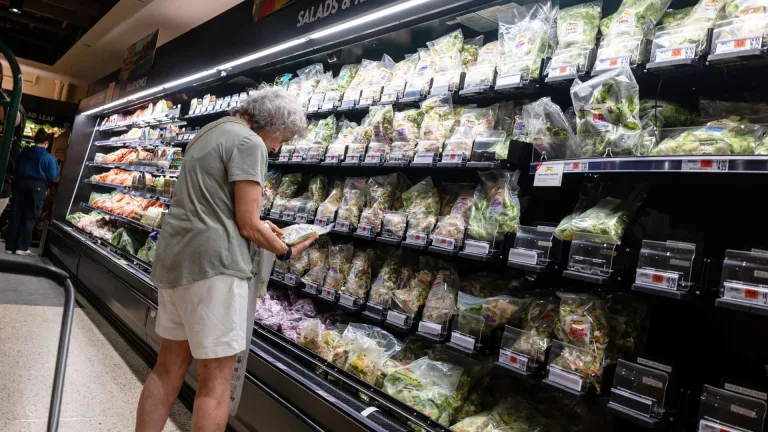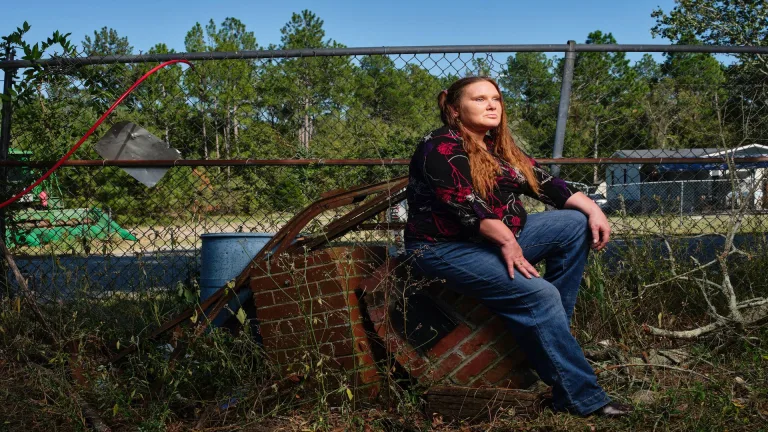
In a revealing shift, recent polling indicates that rural voters are deeply divided over President Trump’s immigration policies and their effects on local economies. As the nation grapples with immigration reform, these voters express conflicting sentiments about the role immigrants play in their communities.
According to a recent KFF-AP poll, many rural residents view immigrants as a vital component of their workforce. In areas where agriculture and service industries thrive, immigrants often fill essential roles that support local economies. However, opinions on the effectiveness of the Trump administration’s crackdown on immigration are markedly mixed.
Economic Contributions vs. Policy Concerns
While immigrants are recognized for their contributions, voters are split on whether the administration’s policies have had a positive or negative impact on their communities. Some believe that stringent immigration enforcement has led to labor shortages, negatively affecting local businesses. Others argue that these policies are necessary to ensure security and protect jobs for native workers.
This division reflects a broader national conversation about immigration, where the economic benefits of a diverse workforce often clash with concerns over job security and cultural change. Many rural voters find themselves caught in this complex debate, weighing the immediate needs of their communities against the political rhetoric surrounding immigration.
Looking Ahead: The Future of Immigration Policy
As the midterms approach, the implications of these divided views on immigration may influence voting patterns in rural areas. Candidates who can effectively address the concerns of rural voters regarding immigration may find success in these key demographics. The ongoing discussion about the balance between immigration enforcement and economic reliance on immigrant labor will likely shape the political landscape in the coming months.
Ultimately, rural voters are navigating a challenging landscape where economic realities and political ideologies intersect. Their perspectives on immigration will not only impact local economies but also the national dialogue on immigration reform.