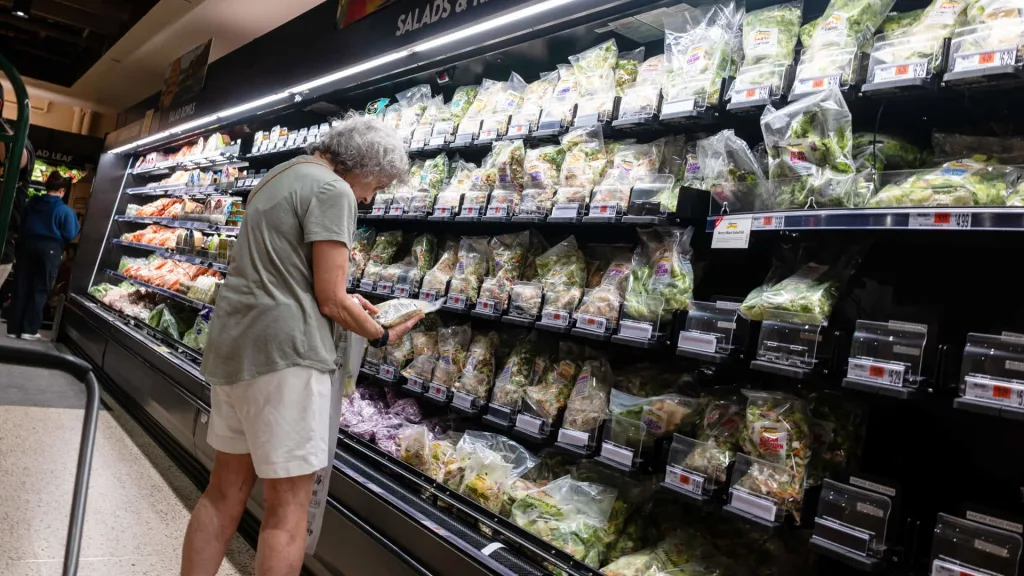
As the midterm elections approach, food safety has become a central concern for voters, driven by recent outbreaks of foodborne illnesses and significant product recalls. This growing focus on food safety reflects a shift in kitchen-table political issues, putting pressure on candidates to address consumer health and safety.
Recent data shows that nearly 48 million Americans fall ill due to foodborne pathogens each year, with thousands hospitalized and a significant number of fatalities. High-profile cases, such as the E. coli outbreak linked to romaine lettuce and salmonella in eggs, have raised public awareness and concern. Voters are increasingly demanding accountability from food producers and regulators, recognizing that the food supply’s safety directly impacts their family’s health.
Voter Concerns Drive Political Action
As food safety issues take center stage, political candidates are being urged to prioritize regulatory reforms and transparency in food production. Many voters express frustration over the perceived inadequacies in current food safety protocols. A recent survey indicated that a significant percentage of Americans believe that government oversight of food safety should be strengthened.
In response, candidates are beginning to incorporate food safety into their platforms, emphasizing their commitment to consumer protection. This includes advocating for stronger regulations on food producers, increased funding for food safety inspections, and support for initiatives that promote local and sustainable food sources. The challenge lies in translating these concerns into actionable policies that will resonate with voters beyond the election cycle.
Why Food Safety Matters
The implications of food safety extend beyond individual health concerns; they encompass broader issues such as economic stability and public trust in food systems. Foodborne illnesses can strain healthcare resources and impact the agricultural economy. As a result, addressing food safety is not only a personal concern but also a collective responsibility that demands political attention.
As the elections draw closer, it is clear that candidates who prioritize food safety could distinguish themselves in a crowded field. With voters increasingly considering food safety as a critical issue, it’s essential for policymakers to listen and act to ensure the integrity of the nation’s food supply.