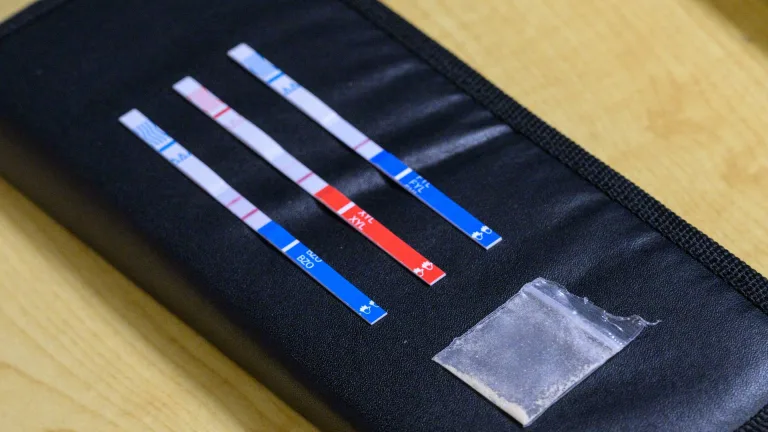
As the opioid crisis continues to escalate, harm reduction advocates are raising alarms about recent federal funding cuts that threaten crucial overdose prevention efforts. One key strategy in this battle against drug-related fatalities is testing street drugs, which enables users to make informed choices and potentially avoid tainted substances. However, the current administration has been skeptical, arguing that such measures might inadvertently encourage drug use.
Testing strips for fentanyl and other dangerous substances are becoming increasingly vital as the proliferation of synthetic opioids results in a surge of overdoses across the country. According to the Centers for Disease Control and Prevention (CDC), more than 100,000 Americans died from drug overdoses in the past year, with a significant portion attributed to fentanyl-laced drugs.
The Importance of Testing
Proponents of harm reduction assert that testing street drugs can save lives. By providing access to testing strips, individuals can check their substances for potentially lethal additives, allowing them to make safer choices. This approach is grounded in a public health perspective that prioritizes safety and informed decision-making over punitive measures.
Despite the evidence supporting the effectiveness of harm reduction strategies, federal funding cuts, particularly from the Substance Abuse and Mental Health Services Administration (SAMHSA), are limiting the resources available for these initiatives. With fewer funds, local organizations that provide testing services and education face significant challenges, jeopardizing their ability to reach vulnerable populations.
Challenges Ahead
The divide between harm reduction advocates and federal policy continues to widen. Critics of the administration’s stance argue that cutting funds for testing and harm reduction programs only exacerbates the public health crisis, leading to more overdoses and deaths. As communities work tirelessly to implement safer drug practices, the lack of federal support is a significant hurdle that could cost lives.
In cities like New York, where the opioid epidemic has taken a devastating toll, local health departments are stepping up their efforts. They have initiated programs to distribute fentanyl test strips and educate users on their importance. However, these grassroots efforts need more substantial backing to make a real impact on overdose rates.
As the crisis deepens, the question remains: will policymakers reconsider their approach to harm reduction? The answer could determine the future of overdose prevention in America.