Recent reports reveal that the U.S. has lost its measles elimination status, raising concerns about the health risks associated with the virus. Health experts emphasize the importance of being informed about vaccinations, especially the measles booster, to protect individual and public health.
The Centers for Disease Control and Prevention (CDC) defines measles elimination as the absence of continuous disease transmission for 12 months or more in a specific area. However, recent outbreaks have led to this status being revoked, highlighting the resurgence of preventable diseases due to declining vaccination rates.
Why the Measles Booster Matters
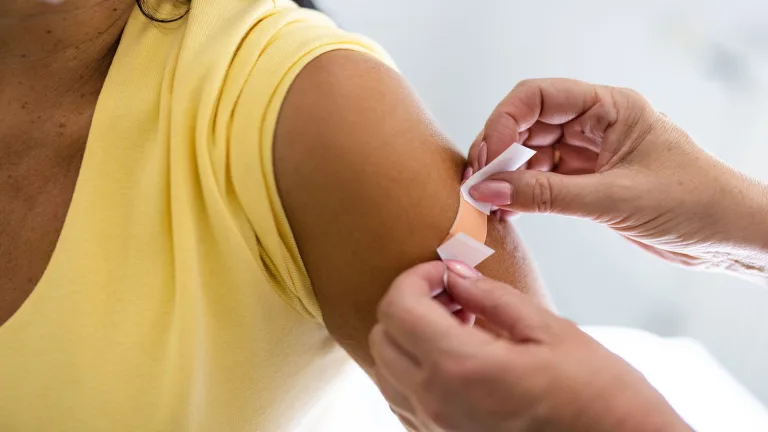
Measles is highly contagious and can lead to serious health complications, including pneumonia, encephalitis, and even death. Vaccination is the most effective way to prevent measles. The CDC recommends that children receive two doses of the measles, mumps, and rubella (MMR) vaccine: the first at 12 to 15 months and the second at 4 to 6 years of age. For adults who have not received the vaccine or are unsure of their vaccination status, a booster shot may be necessary.
As outbreaks occur, individuals who are not fully vaccinated are at greater risk. Dr. Jane Smith, an infectious disease specialist, notes, “Vaccination not only protects the individual but also helps prevent the spread of the disease to others, especially vulnerable populations.” With the rise of misinformation surrounding vaccines, it is crucial to consult with healthcare providers to make informed decisions.
Assessing Your Risk
Many Americans may be unaware of their vaccination status, particularly those born between 1957 and the early 1980s, when vaccination efforts were inconsistent. It’s advisable for individuals in this age range to check their vaccination history and consider a booster if they are unsure. Those planning to travel internationally should also consult their doctors, as measles remains a significant risk in many countries.
Health professionals urge the public to prioritize vaccination as an essential aspect of community health. The resurgence of measles serves as a reminder of the importance of maintaining high vaccination rates to protect against outbreaks.