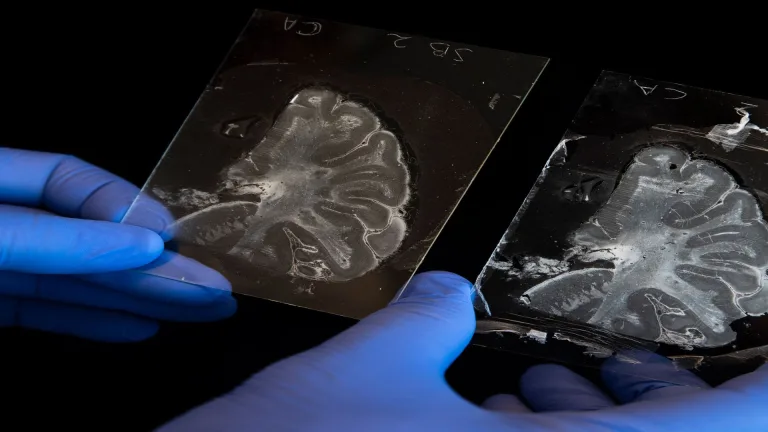
Recent research has revealed promising advancements in the detection of chronic traumatic encephalopathy (C.T.E.), a serious brain condition primarily affecting athletes in contact sports. For years, C.T.E. was only diagnosable posthumously through brain autopsies, leaving living patients and their families without critical insights into their health. This new study highlights a potential blood test that could revolutionize early detection and treatment.
A specific protein associated with brain injury may serve as a key indicator for diagnosing C.T.E. in living individuals. This discovery represents a significant leap forward in understanding how brain injuries manifest and progress, particularly in sports where concussions and repetitive head trauma are prevalent.
Why This Breakthrough Matters
The implications of a reliable blood test are profound. With C.T.E. linked to serious mental health issues such as anxiety, depression, and PTSD, early detection could lead to timely interventions and support for affected individuals. As athletes become more aware of the risks involved in contact sports, having a diagnostic tool could empower them to make informed decisions about their health and playing careers.
Furthermore, this research paves the way for enhanced mental health policies surrounding contact sports, emphasizing the need for proactive measures rather than reactive ones. Advocates for mental wellness are increasingly calling for better screening processes and support systems for athletes, and a blood test could be a critical component of these initiatives.
Looking Ahead
While the study is still in its early stages, the potential for a blood test to diagnose C.T.E. opens up new avenues for research and treatment. As scientists continue to investigate the relationship between brain proteins and C.T.E., more comprehensive strategies can emerge to protect athletes and address the mental health crises linked to these conditions. The surge in awareness surrounding brain injuries in sports is crucial, and advancements like these could be pivotal in combating the hidden challenges faced by many athletes.