As the midterm elections approach, rural voters are expressing growing concerns about the rising cost of living and healthcare. A recent poll by KFF and the Associated Press reveals that these issues are top of mind for many in rural communities, highlighting a potential shift in political dynamics.
According to the poll, nearly half of rural voters rank the cost of healthcare among their top concerns, reflecting a widespread sentiment that healthcare affordability has become a pressing challenge. With many residents living on fixed incomes or earning less than urban counterparts, the financial strain is palpable. This demographic is keenly aware of the implications of healthcare costs on their budgets, and they are demanding attention from candidates.
Healthcare Costs and Political Implications
The survey results suggest that candidates ignoring these issues may risk alienating a crucial voting bloc. Rural areas have historically leaned towards conservative candidates, but frustrations over economic matters could lead to a reevaluation of loyalties. Healthcare affordability is not just a statistic; it represents real struggles faced by families trying to make ends meet.
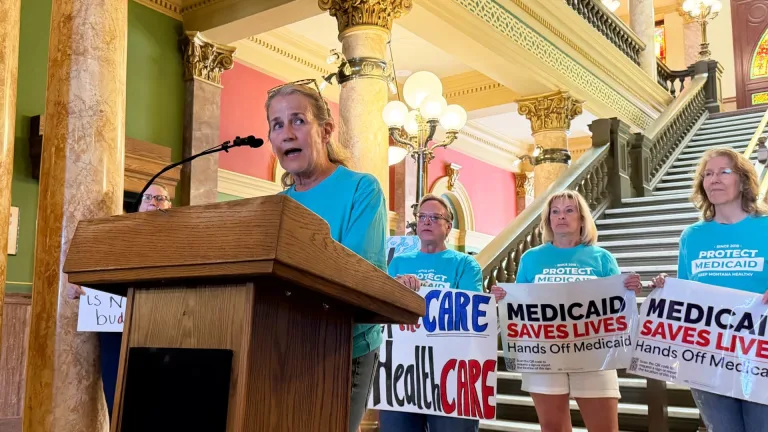
Moreover, many rural voters have expressed dissatisfaction with existing healthcare options, which often include high premiums and limited access to services. As they navigate the complexities of health insurance—whether it’s Medicare, Medicaid, or plans under the Affordable Care Act (ACA)—the desire for comprehensive solutions is evident.
The Path Forward for Candidates
Political candidates must address these issues head-on during the campaign. Promises to lower healthcare costs and improve access could resonate strongly with voters who feel overlooked. Engaging in discussions about prescription costs and coverage gaps will be crucial in gaining the trust of rural constituents.
As the elections draw nearer, the emphasis on healthcare and economic challenges may not only shape the platforms of candidates but also determine their success at the polls. Rural voters are looking for leaders who understand their struggles and can offer viable solutions, making this an essential moment for candidates to connect with their constituents.