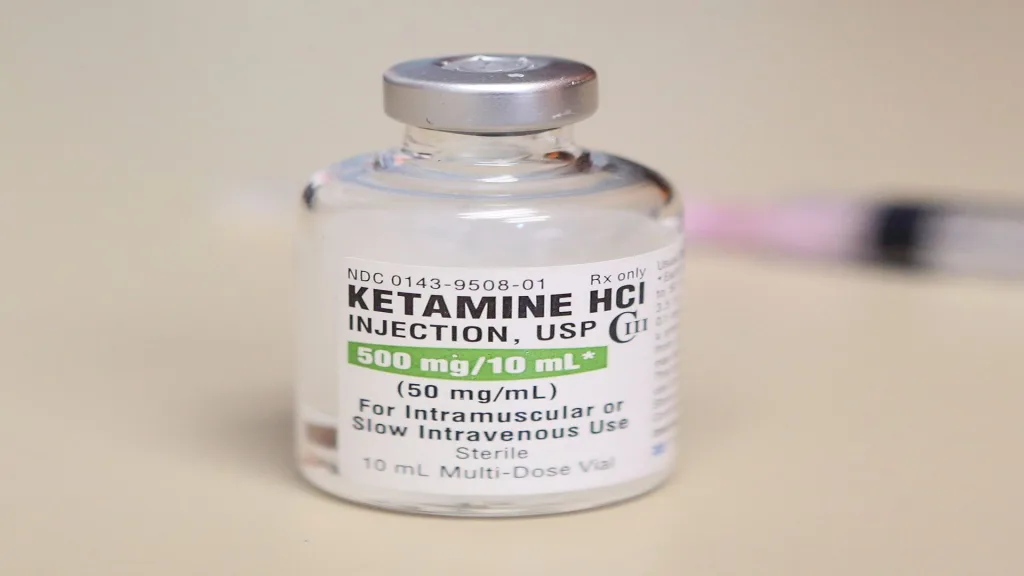
The mental health landscape is undergoing a transformation as drug companies rapidly develop ketamine-based therapies. This surge is fueled by growing recognition of the efficacy of ketamine in treating conditions like depression, anxiety, and PTSD, especially as traditional treatments often fall short.
Ketamine, originally developed as an anesthetic, is gaining attention for its rapid effects on mood disorders. Researchers have found that it can provide relief for patients within hours, compared to conventional antidepressants that may take weeks to show benefits. This has sparked interest among pharmaceutical firms eager to capitalize on the potential of ketamine as a groundbreaking treatment.
Ketamine’s Role in Modern Therapy
The shift towards ketamine is not merely a trend; it reflects a profound change in how mental health issues are approached. Many patients who have struggled with treatment-resistant depression are now finding hope in these new therapies. Ketamine infusions and nasal sprays, such as Spravato, are already being used in clinics across the country, demonstrating the demand for innovative solutions.
However, the rush to market comes with its own set of challenges. Concerns over the safety and regulation of these treatments are paramount. While studies indicate positive outcomes, the long-term effects of ketamine therapy are still being investigated. As mental health advocates and therapists push for more comprehensive mental health policies, ensuring patient safety and efficacy will be critical in the adoption of these new therapies.
Changing Perspectives on Mental Health Treatment
The increasing acceptance of psychedelic medicine, bolstered by the previous administration’s support, has opened the door for further research into not just ketamine, but a broader range of psychedelic substances. This evolving landscape encourages a more holistic approach to mental wellness, integrating mindfulness and therapy with pharmaceutical interventions.
As the conversation around mental health continues to grow, cities like Los Angeles are at the forefront of this change. Community support, accessibility of treatment, and ongoing research are essential to ensure that these new medications reach those in need.