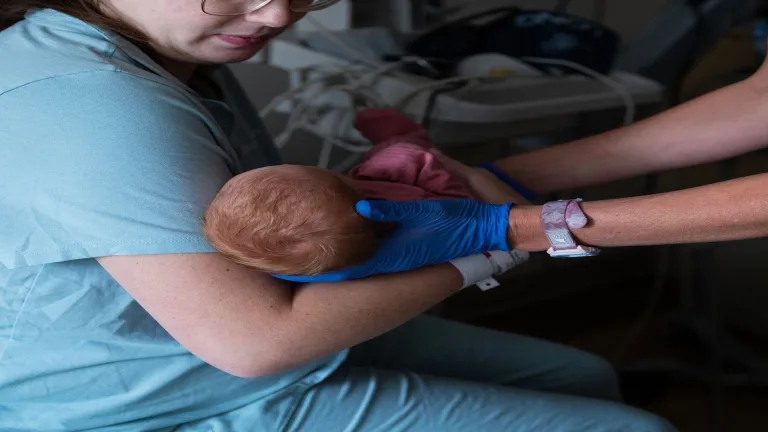
The recent abortion ban in Idaho has not only sparked a heated debate but has also led to a significant exodus of OB-GYNs from the state. With fewer doctors available to provide comprehensive women’s health care, the consequences for patients are dire.
In the aftermath of the legislation, many OB-GYNs chose to leave Idaho, citing concerns over their ability to practice safely and effectively. Those who remain find themselves overwhelmed, handling an increasing number of cases, ranging from routine childbirth to complex miscarriages, with limited resources. This situation has created a precarious environment for women’s health care.
The Strain on Health Care Providers
As the number of practicing OB-GYNs dwindles, the remaining physicians are experiencing unprecedented levels of stress. They are often forced to make difficult decisions, balancing the need for immediate care against legal uncertainties and potential repercussions of providing certain treatments. These challenges not only affect the doctors but also have a ripple effect on their patients, who may face longer wait times and diminished access to essential services.
Women seeking care are now navigating a system fraught with anxiety and fear. With fewer specialists available, appointments can take weeks or even months to secure. Critical health issues that once could be addressed promptly are now delayed, potentially leading to severe health risks for both mothers and their babies.
Impact on Patient Care and Public Health
The implications of these changes extend beyond individual cases. The lack of accessible women’s health care options can contribute to broader public health crises. Higher rates of maternal morbidity and mortality could emerge as a direct result of the challenges faced by women in accessing necessary medical attention. This situation requires urgent action from state officials and health care organizations to ensure that women in Idaho receive the care they need.
As Idaho grapples with this critical shortage of women’s health care providers, the conversation surrounding reproductive rights and health is more important than ever. Advocacy for better health policies and support for OB-GYNs will be essential in reshaping the future of women’s health care in the state.