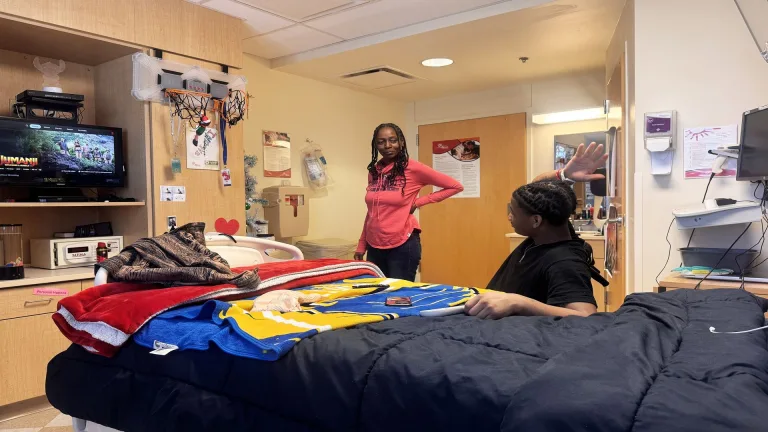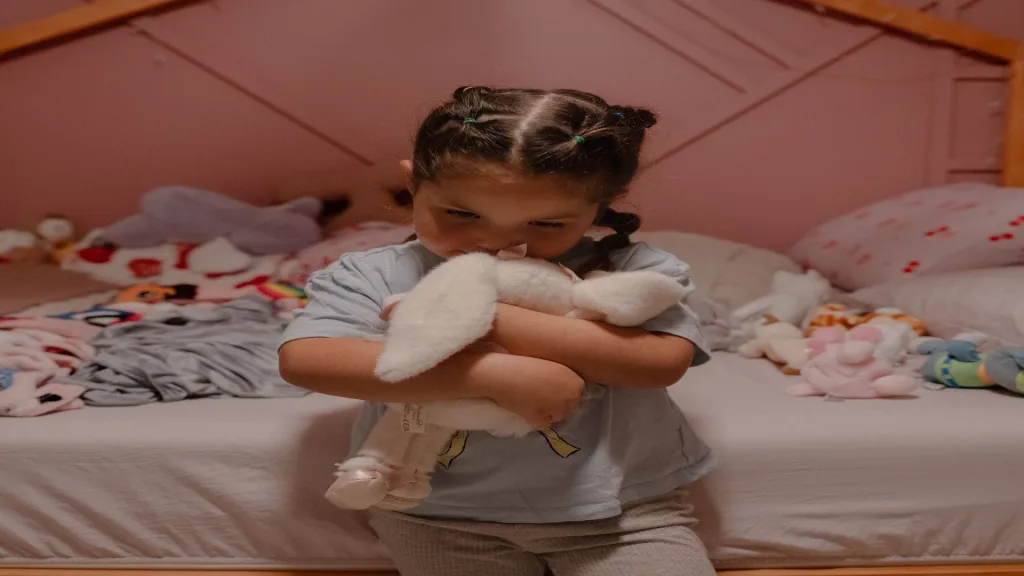
In a heartbreaking turn of events, research efforts aimed at combating pediatric brain cancer have come to a halt, leaving families and advocates in despair. Just as 5-year-old Ryleigh Schecter was diagnosed with a malignant brain tumor, the Pediatric Brain Tumor Consortium, a pivotal organization dedicated to developing treatments for children, was disbanded. This closure has raised alarms among mental health advocates and researchers who emphasize the urgent need for continued funding and support in this critical area.
The Pediatric Brain Tumor Consortium had spent nearly three decades collaborating on research that aimed to extend and improve the lives of children diagnosed with brain cancer. Their work was invaluable, providing insights into treatment options and paving the way for clinical trials. However, with the government’s recent decision to shut down the consortium, many fear that progress in understanding and treating these devastating conditions has been severely compromised.
Impact on Families and Future Research
The implications of this research stall are profound. Pediatric brain tumors are among the deadliest cancers affecting children, and the lack of research translates to fewer treatment options and a grim prognosis for many young patients. Families like Ryleigh’s are left grappling with not only the emotional toll of a cancer diagnosis but also the uncertainty of whether innovative therapies will be available in time.
Experts in pediatric oncology stress that every year counts when it comes to treating these aggressive tumors. According to Dr. Jane Mitchell, a leading researcher in the field, “The closure of the consortium is a devastating blow to the pediatric cancer community. Our children deserve better, and we must advocate for renewed investment in research.”
Rallying for Change
As the community mourns this loss, advocates are calling for renewed attention to pediatric cancer research funding at both state and federal levels. There is a growing movement to push for policies that prioritize childhood cancer research, ensuring that no child has to face a future devoid of hope. Organizations and families affected by pediatric cancer are mobilizing, sharing their stories to raise awareness and inspire action.
The need for comprehensive mental health support for families navigating these challenges is also critical. Many parents experience anxiety and depression as they cope with their child’s illness, underscoring the importance of integrating mental wellness resources into pediatric care.
Efforts to revive and reform the research landscape for pediatric brain cancer are vital. With the right support and funding, there is hope for breakthroughs that could change the trajectory of this disease. Advocates urge everyone to voice their concerns and push for policies that prioritize the lives of our children.