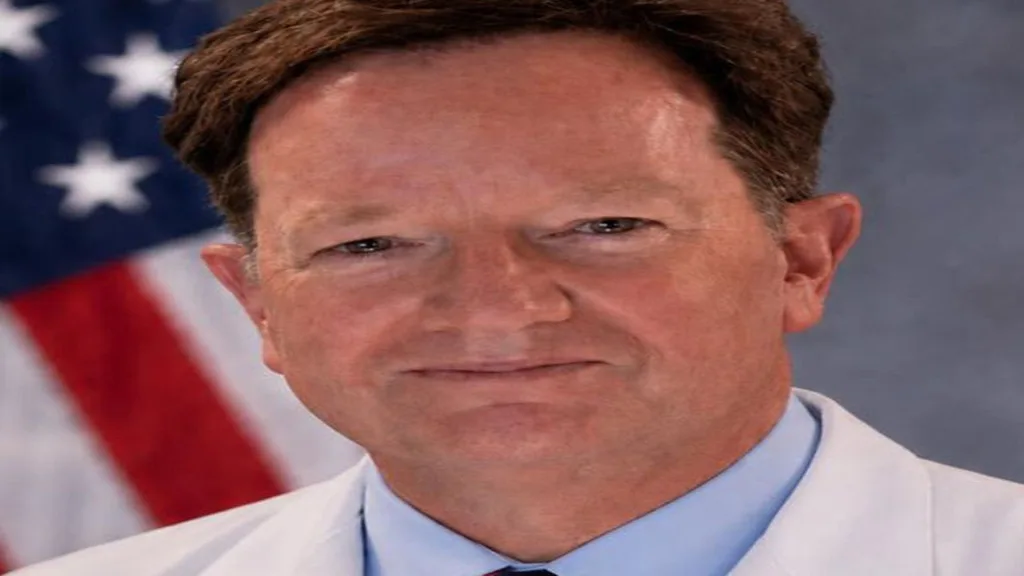
In a significant shift in leadership, Dr. John H. Powers III has been appointed the new director of the National Institute of Allergy and Infectious Diseases (NIAID), a position once held by the prominent Dr. Anthony Fauci for over three decades. This transition comes at a critical time, as the nation grapples with ongoing public health challenges and the need for innovative approaches to infectious diseases.
Dr. Powers, who has a distinguished background in immunology and public health, steps into the role as the NIAID faces scrutiny over its response to recent health crises, including the COVID-19 pandemic and the rise of new infectious threats. His appointment signals a renewed commitment to addressing these urgent issues, with a strong focus on research, vaccine development, and global health initiatives.
Challenges and Opportunities Ahead
The NIAID has been a cornerstone of the U.S. government’s public health response, playing a vital role in research and policy development. Under Dr. Fauci’s leadership, the institute became synonymous with effective strategies to combat diseases, earning both national and international respect. As Dr. Powers takes the helm, he will need to navigate the complexities of a rapidly evolving health landscape, including the ongoing effects of burnout among healthcare workers and the mental health impacts of prolonged crises.
Experts believe that Dr. Powers’s experience in managing multidisciplinary teams and his focus on mental wellness will be crucial in fostering a resilient workforce. “The mental health of our healthcare providers is as important as the physical health of our patients,” noted Dr. Sarah Thompson, a mental health advocate. “Leadership that prioritizes mental wellness can lead to better overall outcomes in public health initiatives.”
Looking Forward
As the NIAID embarks on this new chapter, stakeholders across the healthcare system are watching closely. Dr. Powers’s ability to maintain the institute’s legacy while innovating its approach to current challenges will be key to its future success. His leadership could redefine how we tackle health crises, making adaptability and mental wellness integral to the strategy.
In this time of transition, the NIAID has the opportunity to not only address the immediate health concerns but also to reshape its long-term vision for a healthier future.