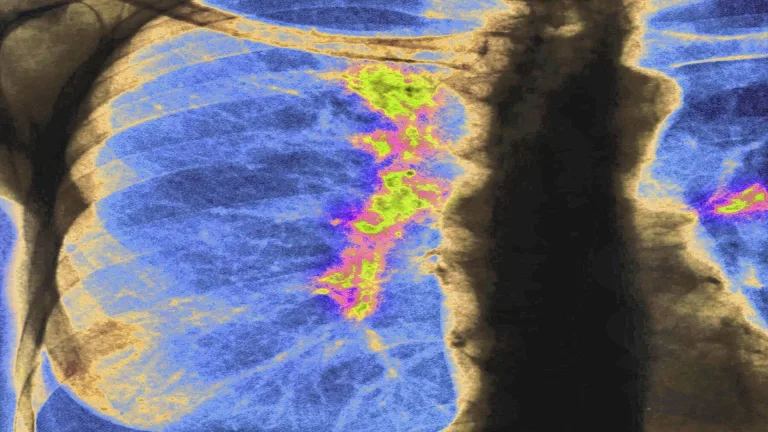
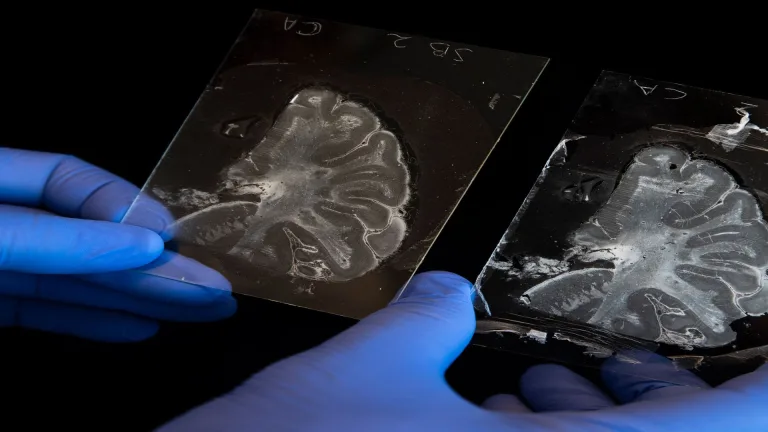
In a heartbreaking turn of events, critical research aimed at treating a devastating form of brain cancer in children has hit a standstill. The Pediatric Brain Tumor Consortium, which has been a beacon of hope for families dealing with pediatric brain tumors for 27 years, was abruptly shut down just before 5-year-old Ryleigh Schecter was diagnosed with diffuse intrinsic pontine glioma (DIPG), a cancer known for its rapid progression and bleak prognosis.
DIPG is one of the deadliest cancers affecting children, with a survival rate of less than 1%. It primarily affects children between the ages of 5 and 10, and the average life expectancy after diagnosis is only about nine months. This makes the consortium’s work crucial for families grappling with the harsh realities of this disease.
The Impact of Research Shutdowns
The consortium was a collaborative effort involving multiple research institutions, working tirelessly to develop new therapies and improve treatment outcomes for children suffering from various brain tumors. The sudden halt of its funding has left researchers and families in dismay, as the progress made over the years is now at risk of being lost.
Experts in pediatric oncology express deep concern regarding the implications of this shutdown. Dr. Emily Johnson, a pediatric neuro-oncologist, stated, “Every day without research means more children will face the consequences of stalled treatment options. We are in a crisis that requires immediate action and renewed commitment to pediatric cancer research.”
Ryleigh’s Story and the Fight Ahead
Ryleigh’s diagnosis comes as a chilling reminder of the urgency of advancing research. Her family is now faced with the heart-wrenching reality of limited options. As parents, they are forced to navigate a landscape where treatment options remain scarce due to the lack of funding and research into innovative therapies.
The community of families affected by pediatric brain cancer is rallying together, demanding that lawmakers prioritize funding for research initiatives. Advocates are calling for the reinstatement of the Pediatric Brain Tumor Consortium, emphasizing that every moment counts in the fight against this aggressive cancer.
While the road ahead may seem daunting, the resilience of families like Ryleigh’s and the dedication of researchers can potentially lead to breakthroughs. The battle against pediatric brain tumors requires not just awareness but also actionable support from the government and the public to ensure that future generations of children have better outcomes.