In an era where personal data rights are increasingly scrutinized, the case of J. Galen Buckwalter raises critical questions about ownership of one’s own neural information. Buckwalter, a participant in a groundbreaking research study, willingly shared his brain data to advance scientific understanding. However, when he requested access to the data he provided, he encountered unexpected obstacles.
This situation highlights a burgeoning field of ethical considerations surrounding brain data, an area that is becoming more relevant as neuroscience research advances. With the rise of neurotechnology, individuals are not just subjects; they are also data owners. As such, should they not have the right to access their own neural data?
The Intersection of Neuroscience and Data Rights
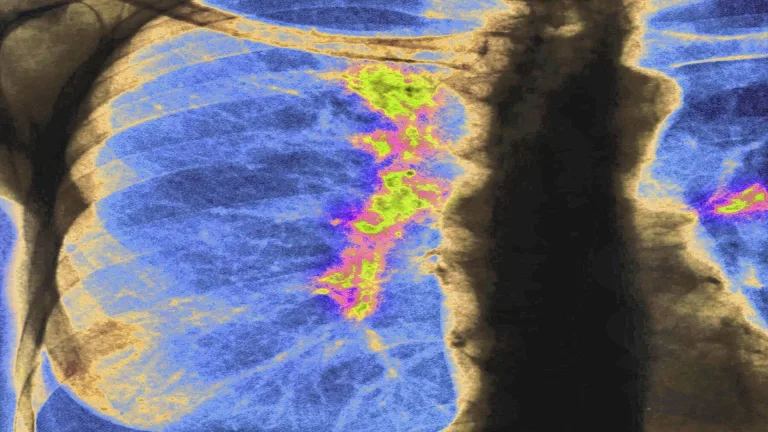
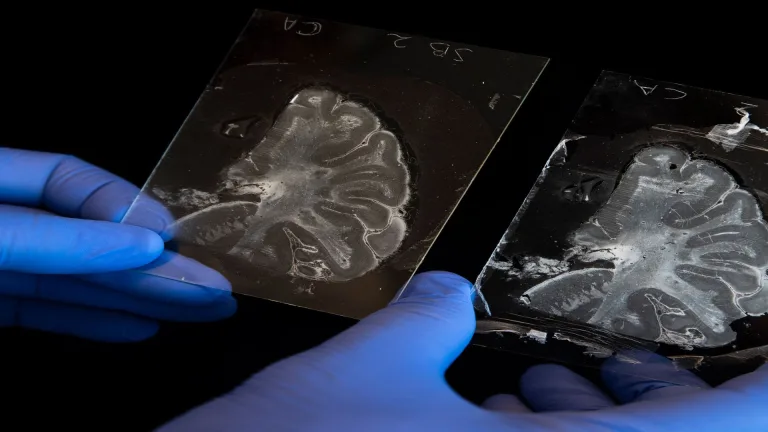
As our understanding of the brain deepens, so too does the complexity of the data generated from it. Brain scans, neural recordings, and cognitive assessments provide invaluable insight into human behavior and health. However, the legal and ethical frameworks surrounding this data are still catching up. Buckwalter’s experience underscores a significant gap in policy; while he contributed his neural data for research purposes, the very act of reclaiming it proved challenging.
Experts suggest that individuals should have transparency and control over their brain data. “If we want to empower patients and participants in research, access to their own data is paramount,” says Dr. Lisa Hartman, a neuroscientist specializing in ethical brain research. The tension between researchers’ interests and participants’ rights raises critical discussions about the future of neuroscience.
Why This Matters for the Future of Brain Research
As technology evolves, the potential for insights gained from neural data is immense. However, without a framework that prioritizes individual rights, the risks of exploitation loom large. The implications extend beyond privacy concerns; they touch on the very fabric of consent and autonomy in medical research.
As policymakers and researchers grapple with these issues, the case of Buckwalter serves as a pivotal example of the challenges ahead. Individuals participating in brain research should not only feel valued as contributors but also have rightful access to the data derived from their own minds. This will not only foster trust in the research community but also encourage greater participation in studies that could lead to life-changing discoveries.